
Vietnam Visa Information

Key Vietnam visa information before you apply

A clear guide for travelers who want to understand Vietnam eVisa basics, visa-free entry, required documents, entry ports, and common mistakes before submitting a request.

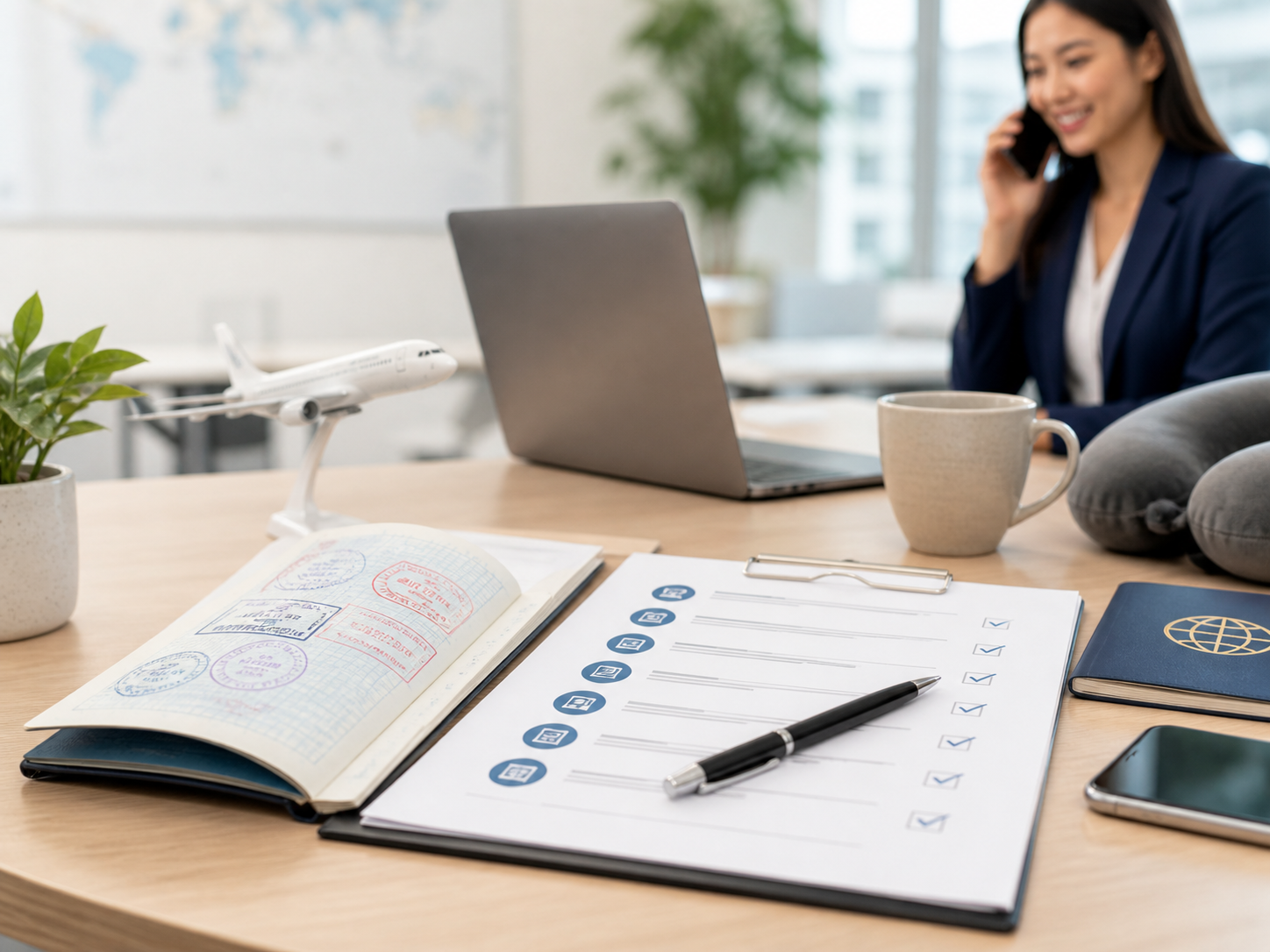
Travel document guidance scene for Vietnam visa information

Need a quick nationality check?

Use the Vietnam Visa Requirement Checker to see whether visa-free entry may apply for your nationality or whether eVisa support is normally recommended.

Vietnam eVisa basics

A Vietnam eVisa is an electronic visa that eligible foreign travelers can apply for online before entering Vietnam. It is commonly used for tourism, short business trips, family visits, and other permitted travel purposes.

  • Vietnam eVisas can be issued for up to 90 days.
  • Single-entry and multiple-entry options may be available depending on the selected visa type.
  • Travelers must enter and exit through eligible air, land, or sea border gates shown by the official system.
  • The traveler should print or save the approved eVisa and present it with the passport when traveling.

Who may need an eVisa?

Many travelers need a visa unless they qualify for a visa exemption or another valid entry arrangement. Because visa rules can depend on nationality, passport type, purpose of visit, and length of stay, travelers should check the current policy before booking non-refundable travel.

Visa exemption

Visa-free entry and exemptions

Some travelers may not need a visa for short stays

Vietnam grants visa exemptions to certain nationalities and passport types under bilateral, unilateral, or special arrangements. The allowed stay length can vary, and the policy may change over time.

  • Some nationalities may receive a short visa-free stay.
  • Some special passport types may have separate rules.
  • Phu Quoc-only travel and certain special cases may have additional conditions.

When you may still prefer an eVisa

Even if you qualify for visa-free entry, an eVisa may be useful when your stay is longer than the exemption period, when you plan multiple entries, or when your travel route requires a clearer entry arrangement.

If you are unsure, review your nationality, stay length, entry date, and exit plan before choosing.

Requirements

Documents and photo requirements

Passport bio page

Upload a clear image or PDF of the full passport data page. The photo, personal details, passport number, and ICAO/MRZ lines should be readable.

Portrait photo

Use a recent front-facing photo. Avoid hats, glasses, heavy shadows, cropped passport photos, or unclear images.

Travel details

Prepare expected entry and exit dates, entry and exit ports, purpose of travel, and one main contact email and phone / WhatsApp.

Passport validity: Travelers should normally keep a passport valid for at least 6 months from the travel date and with enough blank pages for entry procedures.

Entry and exit ports

Vietnam eVisa holders must use eligible entry and exit checkpoints. These can include international airports, land border gates, and seaports. The available checkpoints may be updated by official authorities.

When completing the form, choose the port that best matches your real travel plan. If your itinerary changes later, support may need to review whether the selected port still fits your travel route.

Other visa routes

Visa on arrival and embassy visa

Visa on arrival support

Visa on arrival is not the same as arriving without preparation. It usually requires a prior approval or support arrangement before boarding. This route may be relevant for some urgent or special cases, depending on eligibility and timing.

Embassy or consulate visa

Some travelers may prefer or require a visa through a Vietnamese embassy or consulate, especially for specific visa categories, long-term plans, or cases not suitable for eVisa.

Avoid delays

Common mistakes when applying

Name mismatch

The name should follow the passport. Avoid missing middle names, wrong order, or spelling differences.

Wrong dates

Check date of birth, passport expiry date, and expected entry/exit dates carefully before submission.

Unclear uploads

Blurry passport photos or cropped portrait images can create unnecessary follow-up and delays.

Wrong port

The selected entry and exit ports should match the intended travel route and eligible eVisa checkpoints.

Too close to departure

Applying late leaves less time to fix mistakes or handle holiday/weekend delays.

Using an old passport

The eVisa should match the passport used for travel. Renewed passports require extra attention.

Useful travel tips

  • Apply early whenever possible, especially before holidays or weekends.
  • Keep a copy of your eVisa, passport, and order reference in your email and phone.
  • Use the same passport for application and travel.
  • Make sure your planned stay fits your visa validity.
  • Contact support quickly if you notice a mistake after submission.
Service notice: This page is a general private travel-assistance guide, not legal advice or an official government notice. Visa policies can change, and final decisions are made by official authorities.
WhatsApp